

Canada Battles Back to Earn 2–2 Draw Against Iceland at BMO Field
Photos by: Indrawan Kumala
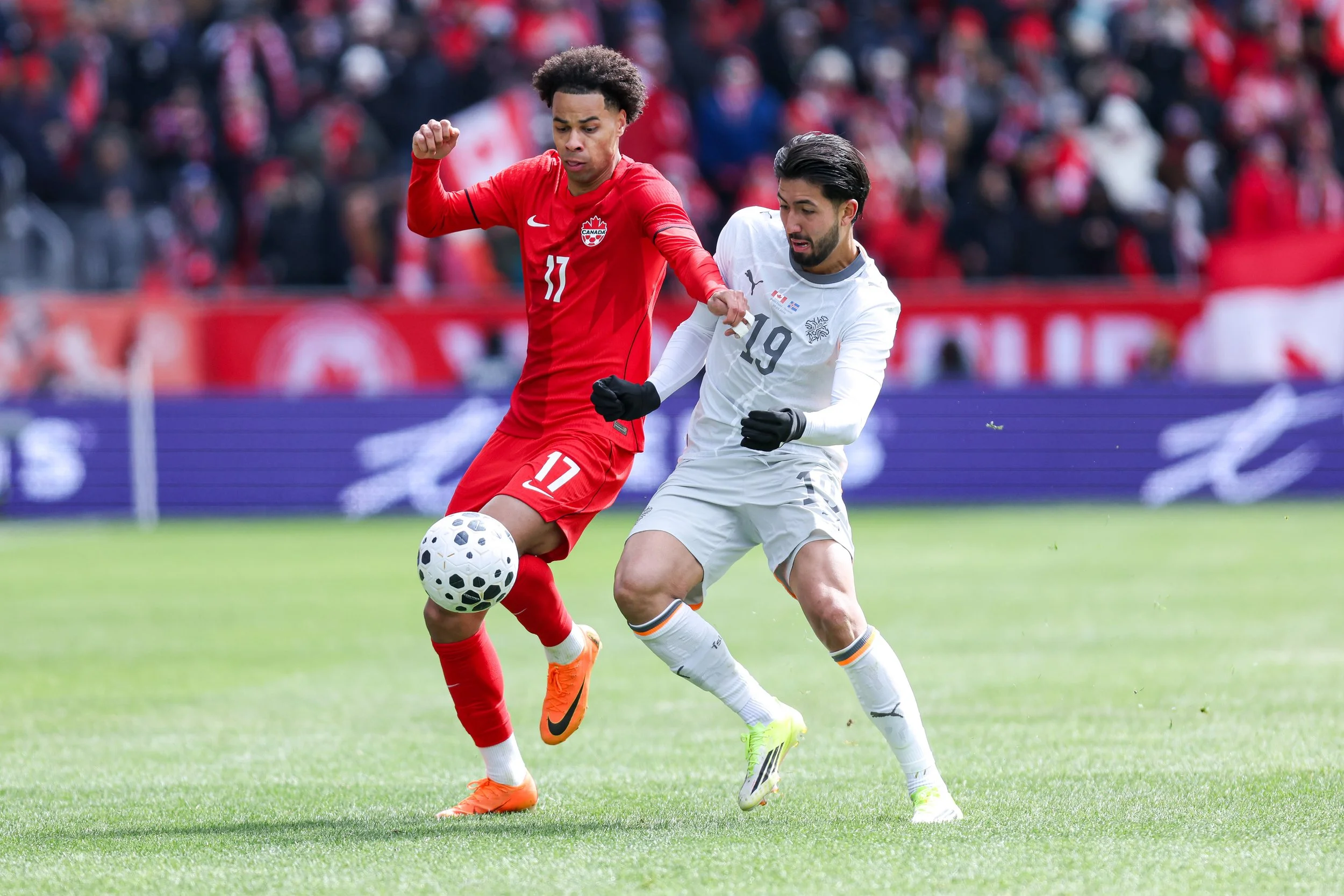
Canada showed resilience in front of a home crowd, rallying from a two-goal deficit to secure a 2–2 draw against Iceland on March 28 at BMO Field. A difficult opening stretch put Canada in an early hole, but a composed second-half response led by Jonathan David ensured the match ended level.
Iceland Punishes Early Mistakes
Canada’s start left little room for error, and Iceland took full advantage.
Orri Óskarsson struck twice in the opening 21 minutes, giving the visitors a 2–0 lead before Canada had settled into the match. The goals came from quick attacking moments where Iceland exploited space and finished efficiently despite limited possession.
It was a clinical opening from Iceland and a reminder of how quickly international matches can shift.
Canada Responds with Control
After the early setback, Canada began to dictate the tempo.
They controlled possession for extended stretches and pushed the game into Iceland’s half, building attacks through patient movement and consistent pressure. Canada finished with a clear advantage in attacking numbers, including more shots and significantly more corner opportunities.
Still, the breakthrough did not come in the first half, leaving Canada trailing at the break despite controlling much of the play.
Jonathan David Delivers in the Second Half
Canada’s persistence paid off after halftime.
Following sustained pressure, Canada earned a penalty in the 67th minute. Jonathan David stepped up and converted, cutting the deficit in half and shifting the energy inside the stadium.
The momentum continued to build.
In the 75th minute, Canada was awarded another penalty. David once again delivered, calmly finishing to bring the match level at 2–2 and complete the comeback.
His performance provided both the composure and execution Canada needed in a match that demanded precision.
Late Pressure Without a Winner
With the match tied, Canada pushed forward in search of a third goal.
They continued to control possession and generated additional chances, particularly through set pieces and sustained pressure in the attacking third. However, Iceland’s defensive shape held in the closing stages, limiting clear opportunities and preventing a late breakthrough.
Despite the momentum, Canada was unable to find a winner before the final whistle.
What It Means
The result offers a mixed takeaway for Canada.
The early defensive lapses will be an area of concern, especially against a team that created few chances but converted efficiently. At the same time, the second-half response demonstrated composure and attacking control, particularly when chasing the match.
For Iceland, the performance highlighted efficiency and defensive resilience, earning a result after building an early lead.
